
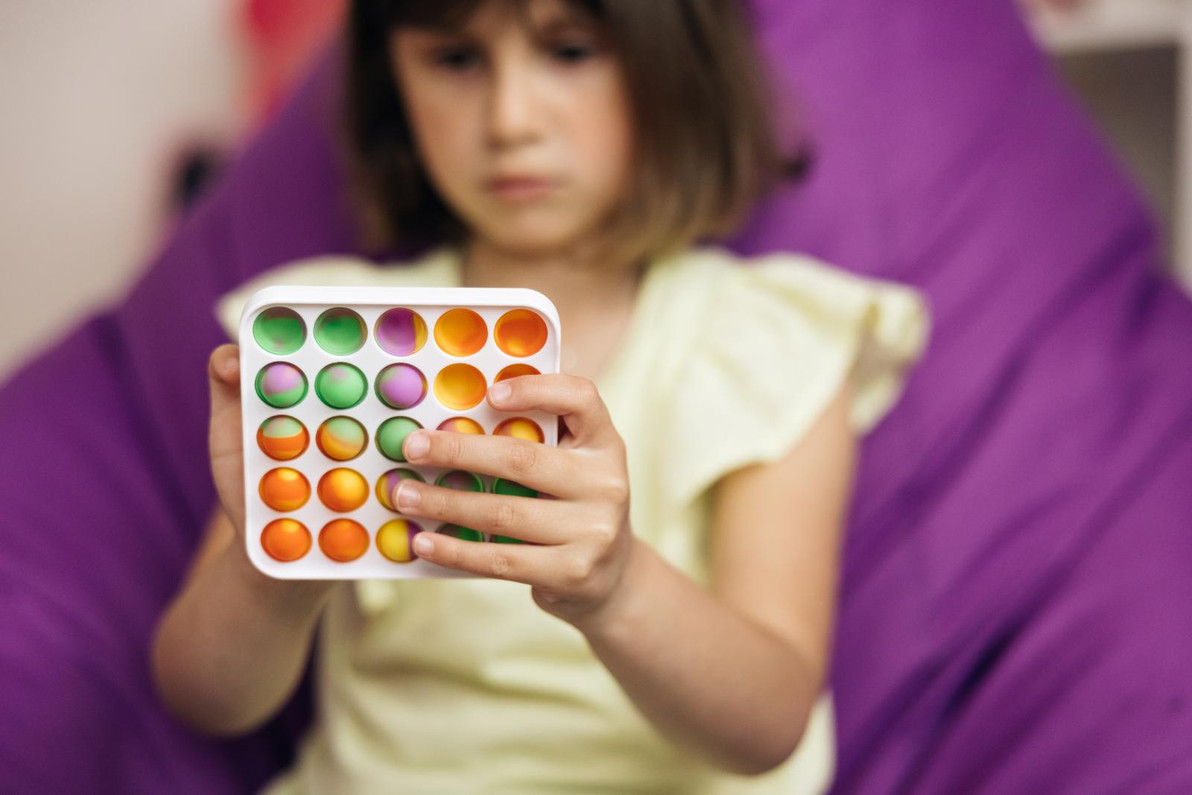
How do sensory toys help children with autism?
The significance of sensory toys for children with autism cannot be overstated. These toys serve a critical role in the developmental and therapeutic processes for children on the autism spectrum. Understanding how sensory toys aid in this regard offers insight into their importance in fostering a supportive learning and growth environment.
Enhancing sensory processing
Children with autism often experience challenges with sensory processing. Sensory toys are designed to stimulate the senses in a controlled way, helping children to process and respond to sensory information more effectively.
By engaging with toys that provide tactile, visual, auditory, or proprioceptive (sense of force and movement) feedback, children can learn to regulate their sensory experiences, leading to improvements in attention, concentration, and overall cognitive development.
Supporting emotional regulation
Sensory toys play a pivotal role in aiding emotional regulation. For many children with autism, processing emotional responses to their environment can be overwhelming. Sensory toys that provide a calming or comforting stimulation can help mitigate feelings of anxiety or distress. For instance, weighted toys can offer a sense of security, while toys with repetitive motions can provide a soothing effect, aiding in emotional self-regulation.
Promoting social interaction
Social development is another area where sensory toys can have a significant impact. Toys that encourage shared play can foster interaction between children with autism and their peers or caregivers. This interaction not only aids in developing social skills but also in understanding social cues and building relationships. Cooperative play with sensory toys can serve as a bridge to more complex social interactions, enhancing communication skills and social awareness.
Developing motor skills
Sensory toys are instrumental in developing fine and gross motor skills. Toys that require manipulation, such as those that involve squeezing, pulling, or threading, can improve hand-eye coordination and dexterity. Toys that encourage physical activity, such as balance boards or tactile paths, can help in the development of gross motor skills, balance, and physical coordination. These skills are crucial for daily activities and overall independence.
Encouraging exploration and creativity
Sensory toys can also stimulate exploration and creativity. These toys often allow for open-ended play, giving children the freedom to explore their interests and use their imagination. This exploratory play can lead to cognitive development, problem-solving skills, and an increased understanding of the world around them. Creative play with sensory toys can also provide an outlet for expression, which is especially beneficial for children who may have difficulties with verbal communication.
The bottom line
Sensory toys offer a multifaceted approach to learning and growth, addressing sensory processing challenges, emotional regulation, social interaction, motor skills development, and creative exploration. By incorporating sensory toys into their play and learning environments, we can provide children with autism a more engaging, supportive, and enriching experience, tailored to their unique needs and abilities.
Got a question or a comment? Don’t hesitate to reach out to us. And if you’re looking for sensory toys, feel free to take a look through our range.
Recent Posts
-
How to Calm an Autistic Child at Home: A Practical Guide for Parents
The raising of a child who has autism brings unique pleasures and difficulties. One of the most freq …1st May 2026 -

Speech Therapy Resources: Supporting Communication Skills the Right Way
Each child has his or her way of communication. Others are self confident and others require some ad …17th Apr 2026 -

Best Toys for Kids with Short Attention Span
Many parents often struggle with children who are easily distracted, are unable to focus on their ta …27th Mar 2026